How High-Strength Tretinoin 0.1% Transforms Acne-Prone Skin Over Time
Persistent acne can be frustrating, especially when milder treatments fail to deliver lasting improvement. For individuals with stubborn breakouts, dermatologists often consider higher-strength retinoids. Tretinoin 0.1% is one of the most potent topical options available and is typically introduced when lower concentrations no longer provide sufficient results.
This article explains how high-strength tretinoin works and what kind of transformation patients can expect over time.
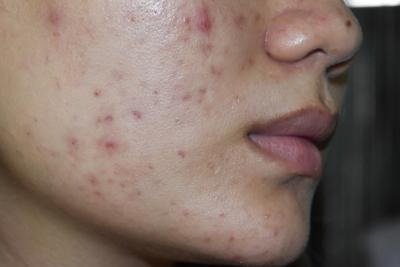
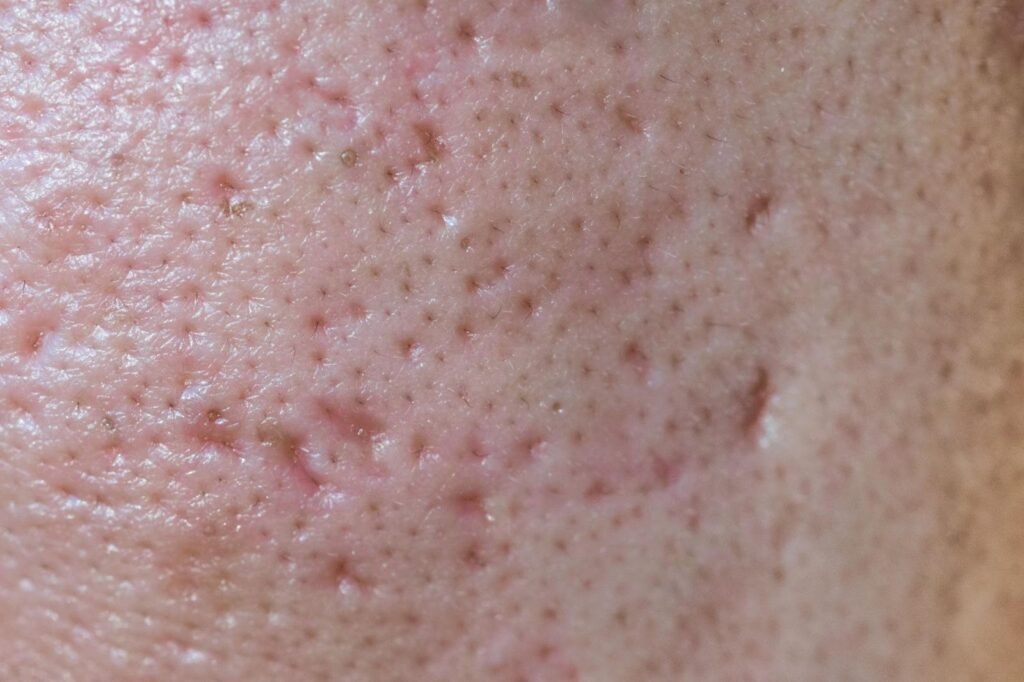
Why Acne Persists in Some Skin Types
Acne develops when excess oil and dead skin cells accumulate inside pores, creating blockages that can lead to inflammation and bacterial growth. In more resistant cases, slower skin turnover plays a major role.
Common contributing factors include:
- Oily skin and enlarged pores
- Hormonal fluctuations
- Genetic predisposition
- Inconsistent exfoliation
- Chronic inflammation
When the underlying cycle continues unchecked, breakouts tend to recur.
How Tretinoin 0.1% Works at the Cellular Level
Tretinoin is a biologically active form of vitamin A that directly increases epidermal cell turnover. At a 0.1% concentration, it delivers a stronger stimulus for skin renewal compared to lower strengths.
Its key actions include:
- Preventing clogged pores
- Promoting faster shedding of dead cells
- Supporting collagen production
- Gradually reducing post-acne marks
Because it works beneath the surface, visible improvements develop progressively rather than overnight.
According to the American Academy of Dermatology, topical retinoids remain a cornerstone in acne treatment due to their ability to both treat existing lesions and prevent new ones.
What Happens During the First Weeks
The early phase of high-strength tretinoin use is often called the “retinization period.”
During this adjustment stage, users may notice:
- Mild redness
- Dryness or flaking
- Temporary increase in breakouts
- Heightened sensitivity
These effects usually improve as the skin adapts to increased turnover.
Long-Term Transformation: Months 2–3 and Beyond
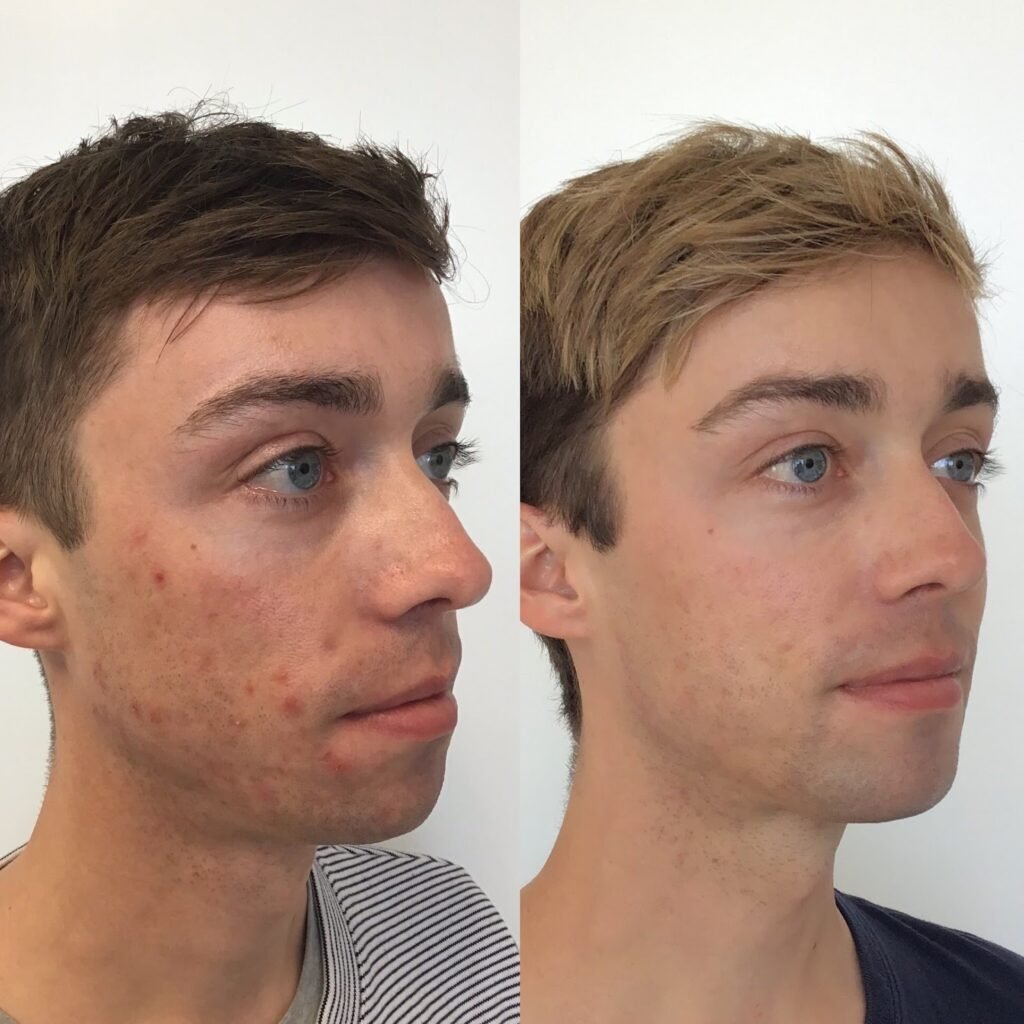
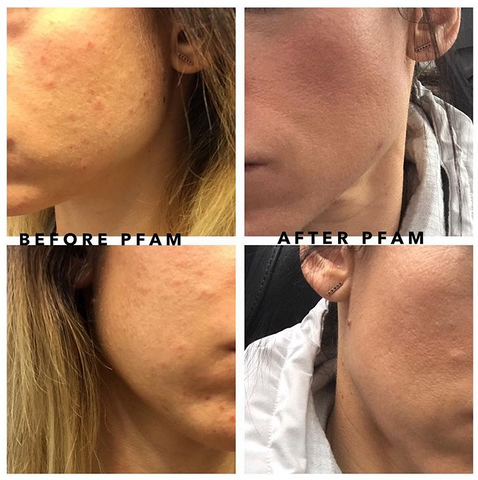
With consistent application and proper sun protection, many individuals observe:
- Fewer inflammatory breakouts
- Reduced clogged pores
- Smoother skin texture
- Gradual fading of acne marks
- More balanced oil production
The cumulative nature of tretinoin therapy means that results often continue to improve with ongoing use.
How to Use High-Strength Tretinoin Safely
To reduce irritation and improve adherence:
- Apply once daily at night
- Use a pea-sized amount for the entire face
- Apply to completely dry skin
- Use a gentle moisturizer
- Apply sunscreen every morning
Gradual introduction can help minimize discomfort.
Choosing a High-Strength Tretinoin Cream
Consistency and formulation quality are important for predictable results. A commonly selected option is:
👉 tretinoin 0.1% cream
https://okdermo.com/product/tretinoin-01-percent-cream-buy-online-otc/
Cream-based formulations often provide slightly better moisture balance at higher strengths.
Who Should Use Extra Caution?
High-strength tretinoin may not be suitable for:
- Very sensitive or reactive skin
- Active eczema or skin barrier damage
- Pregnancy or breastfeeding
Professional consultation is recommended before beginning strong retinoid therapy.
Conclusion
High-strength tretinoin 0.1% can significantly transform acne-prone skin over time by addressing clogged pores, inflammation, and uneven texture at the cellular level. While the adjustment phase requires patience, consistent use often leads to clearer, smoother skin and fewer recurring breakouts.
With proper guidance and sun protection, tretinoin can become a powerful foundation for long-term acne management.